


Microplastics have become pervasive in both aquatic and terrestrial environments. These particles, typically ranging from 10 to 500 micrometers, originate from the degradation of larger plastic materials. Their small size allows them to spread widely and be unknowingly ingested by organisms, including humans, raising serious concerns about their potential impact on health. Reliable detection and identification of microplastics are essential to better understand their formation pathways and to quantify their presence in natural ecosystems.
To support environmental monitoring and advanced research, our integrated hyperspectral imaging technology was utilized to evaluate a diverse range of plastic samples. The study assessed the capabilities of standard NIR (Near-Infrared) and SWIR (Short-Wave Infrared) spectral sensors in identifying microplastics. The primary objective was to determine whether a spectral reference library built from larger, easily recognizable plastic granules could be effectively applied to detect and classify microscopic fragments.
Sample Description
The study included a diverse set of plastic materials frequently found in environmental waste. Larger granulates, each a few millimetres in size, were provided as base samples to build a spectral reference library. These consisted of commonly used polymers such as:
- High-density and low-density polyethylene (HDPE and LDPE)
- Polyethylene terephthalate (PET)
- Polycarbonate (PC)
- Polypropylene (PP)
- Polyamide (PA)
- Polystyrene (PS)
- Polyvinyl chloride (PVC)
In addition to these macro samples, microscopic plastic particles made from polyethylene (PE) and polystyrene (PS) were analyzed. These microplastics varied in size and color, serving to evaluate how a reference library performs when scaled down to detect extreme details in tiny fragments.
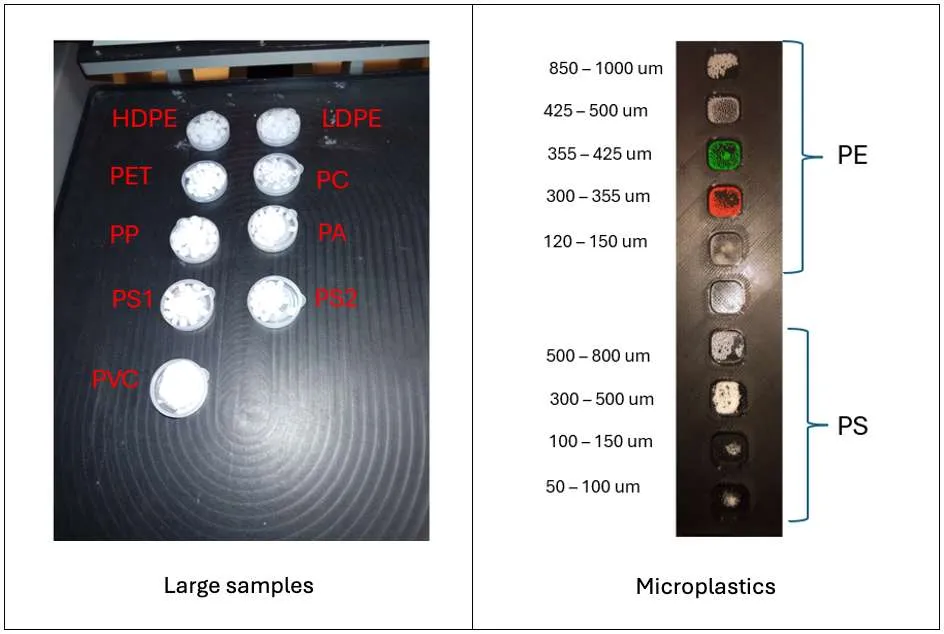
Figure 1: Photos of macro and microplastic samples.
Technical Measurement Setup
Spectral reflectance measurements were carried out using our integrated NIR and SWIR hyperspectral imaging systems, configured to capture critical vibrational bands across the infrared spectrum.
For the macro-scale analysis, the sensors were paired with standard wide-angle lenses to provide an optimal field of view for quick library screening. However, for the microplastic analysis, a specialized high-resolution macro imaging setup was deployed. This configuration allowed the pixels to map down to a microscopic micrometer scale, enabling our unified system to capture fine chemical details in extremely small particles. All data processing and spectral evaluation were handled seamlessly within our unified software platform.
The Challenge of Particle Size in Spectral Analysis
A key objective was validating whether data from larger plastic pieces could accurately identify microplastics. As the physical size of a sample decreases—and as particles become more transparent or degraded—their spectral signatures naturally become less pronounced. This effect is highly noticeable in translucent polystyrene microplastics, making identification increasingly difficult at smaller scales for standard vision systems.
How Our Integrated Sensors Solve This Pain Point:
- Extended Spectral Range: While a standard NIR sensor performs excellently within its operational range, our SWIR configuration covers an extended infrared spectrum. This broader coverage captures additional molecular absorption bands that remain visible even when the particle is microscopic or degraded.
- Overcoming Pixel Limitations: Material classification accuracy depends heavily on spectral depth rather than just physical pixel size. The expanded spectral range of the SWIR module provides richer chemical information, allowing the classification models to accurately distinguish and sort material types where traditional systems see only noise.
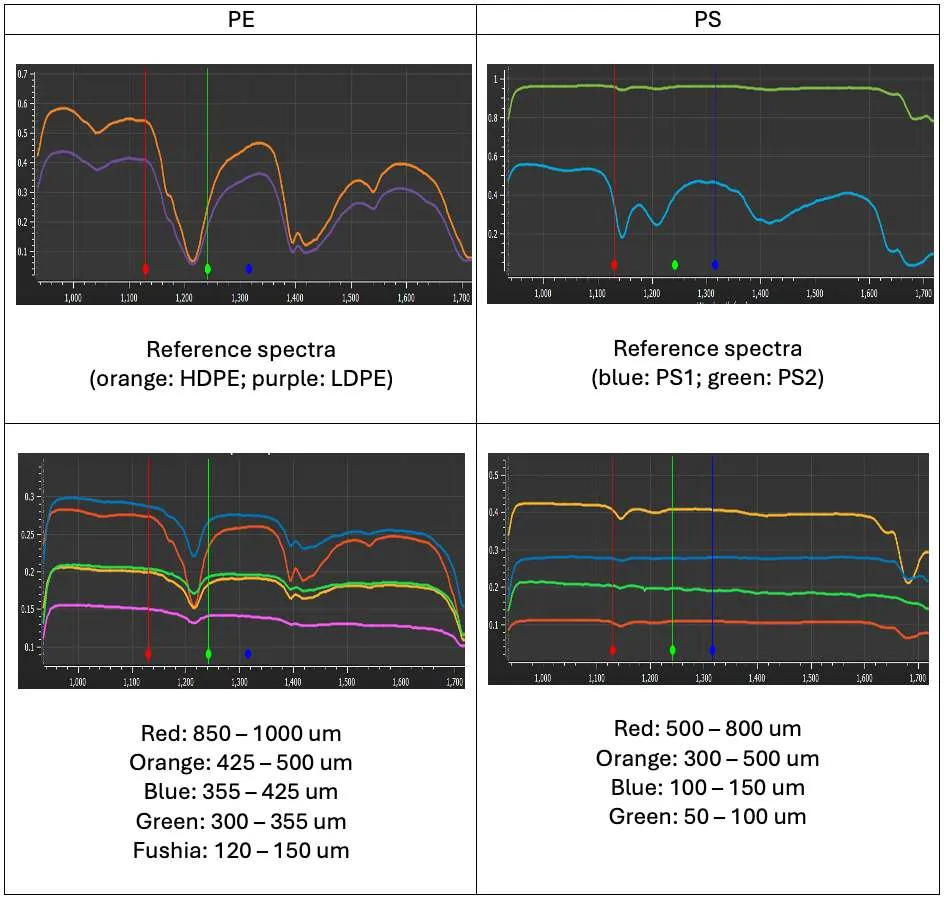
Figure 2: Reference spectra for PE and PS across the NIR spectral range, mapped against individual microplastics.
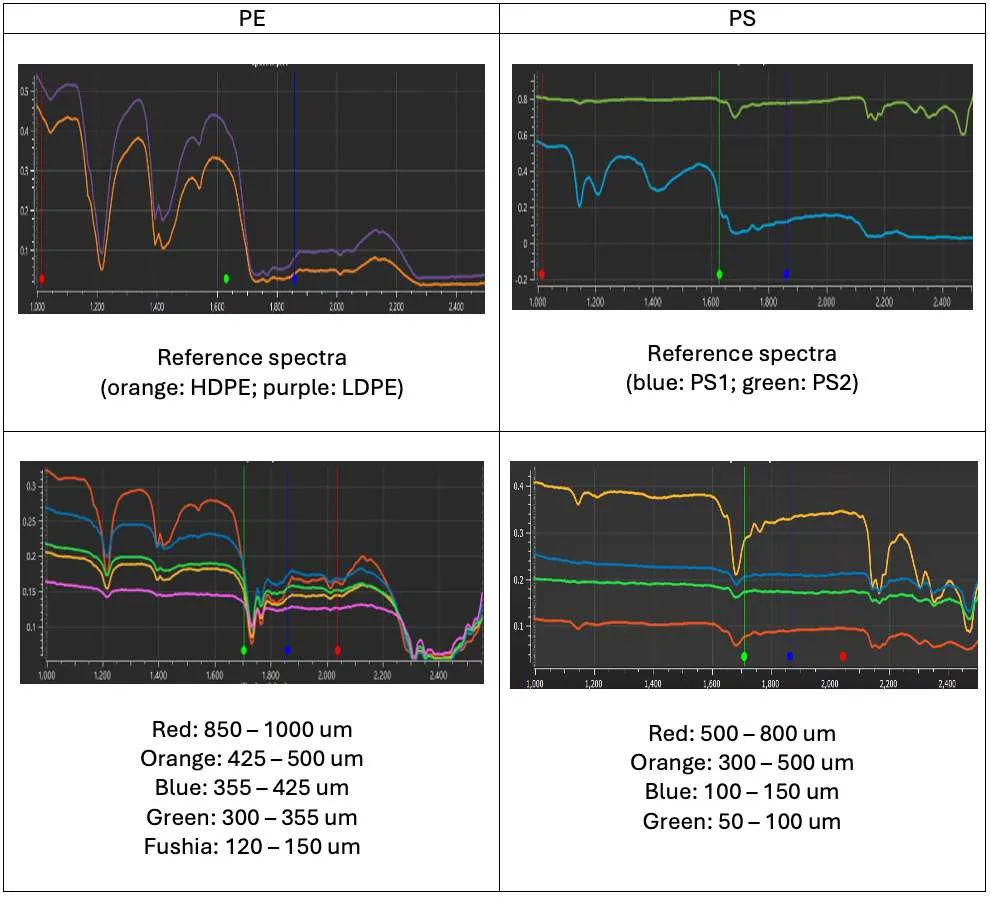
Figure 3: Reference spectra for PE and PS across the extended SWIR spectral range, showcasing deeper chemical markers.
Modeling and Automated Identification
To automate the detection performance, a classification model was developed using partial least squares discriminant analysis (PLS-DA). The reference library built from macro samples was applied directly to the microplastics through this integrated algorithm.
Standard NIR Configuration
When utilizing the standard NIR imaging sensor, microplastic particles were generally well identified. The spectral data from the larger reference samples transferred effectively to the smaller particles, proving the validity of the library method.
However, minor limitations appeared at the lowest end of the size spectrum. Due to reduced spectral features in extremely tiny or translucent particles, some misclassifications occurred between similar polymers (such as mistaking certain PE particles for polypropylene). This highlights the sensitivity boundaries of standard infrared bands when dealing with near-invisible fragments.
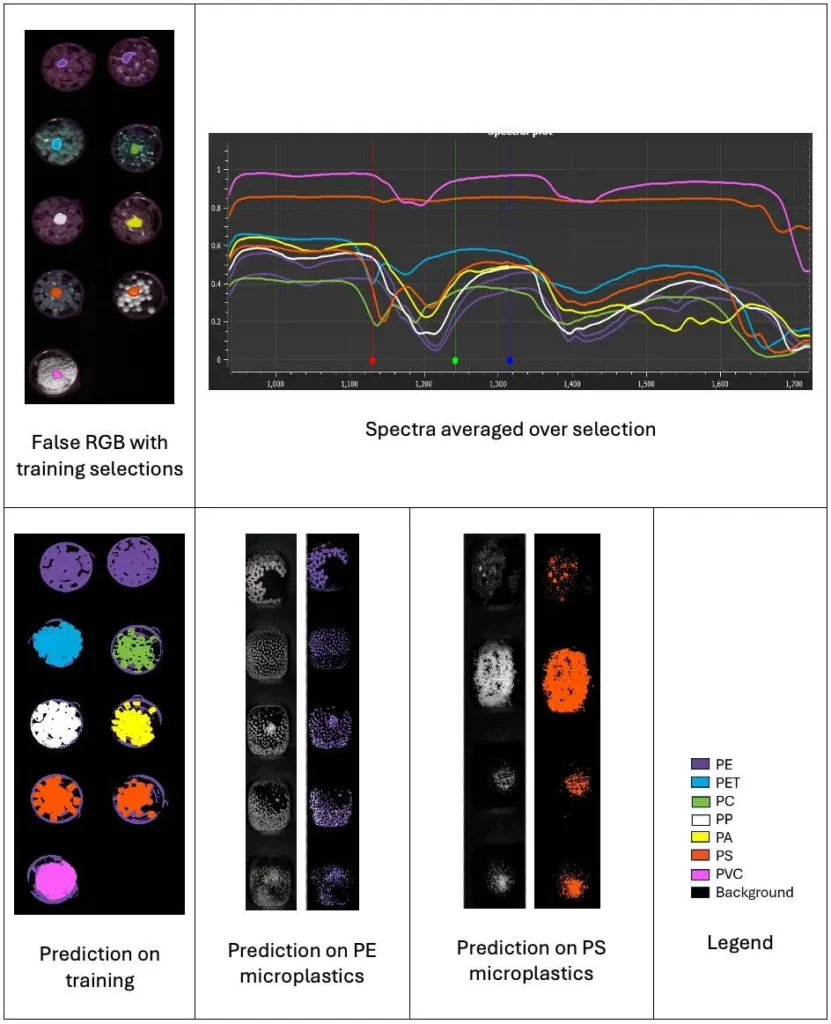
Figure 4a: Modeling results obtained with the NIR imaging system.
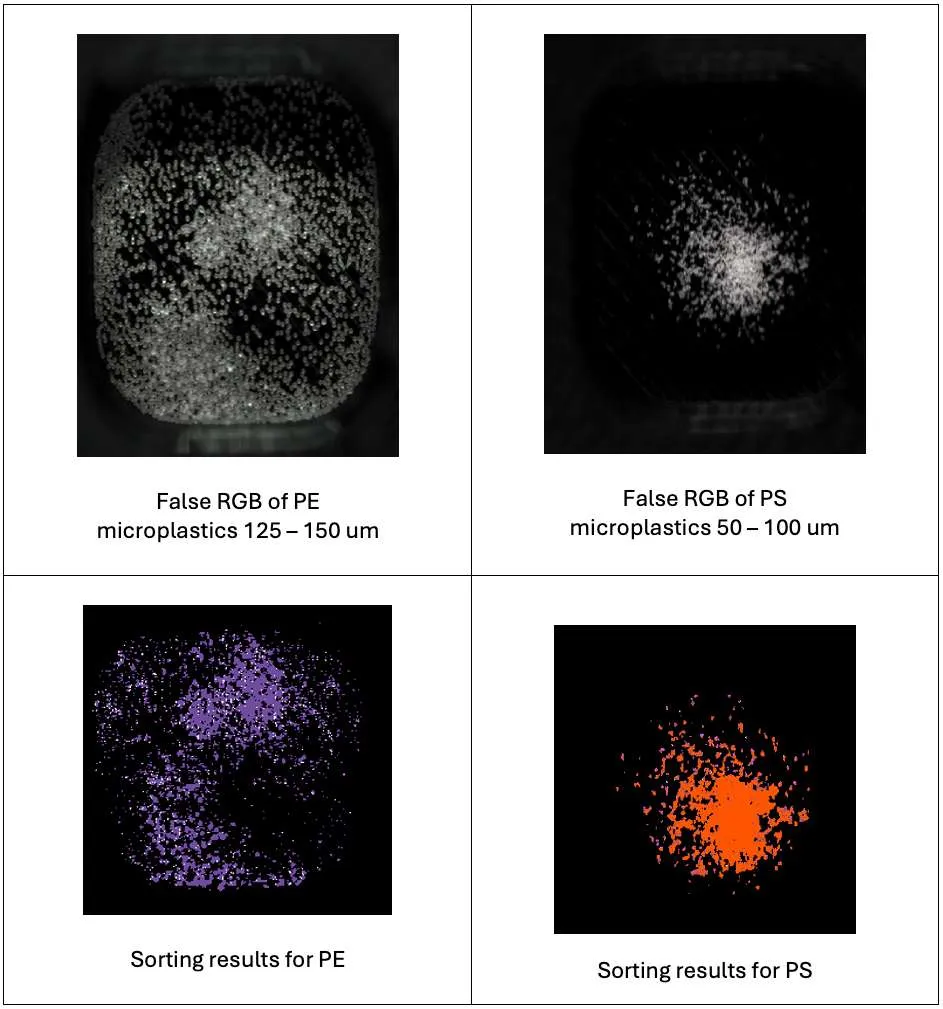
Figure 4b: Detailed view focused on the detection limits of the smallest particles using NIR.
Advanced SWIR Configuration
In contrast, the SWIR imaging system demonstrated superior classification and sorting accuracy. Even with a comparable physical pixel setup, the broader spectral coverage allowed the system to capture crucial chemical markers that are completely invisible to narrower sensors.
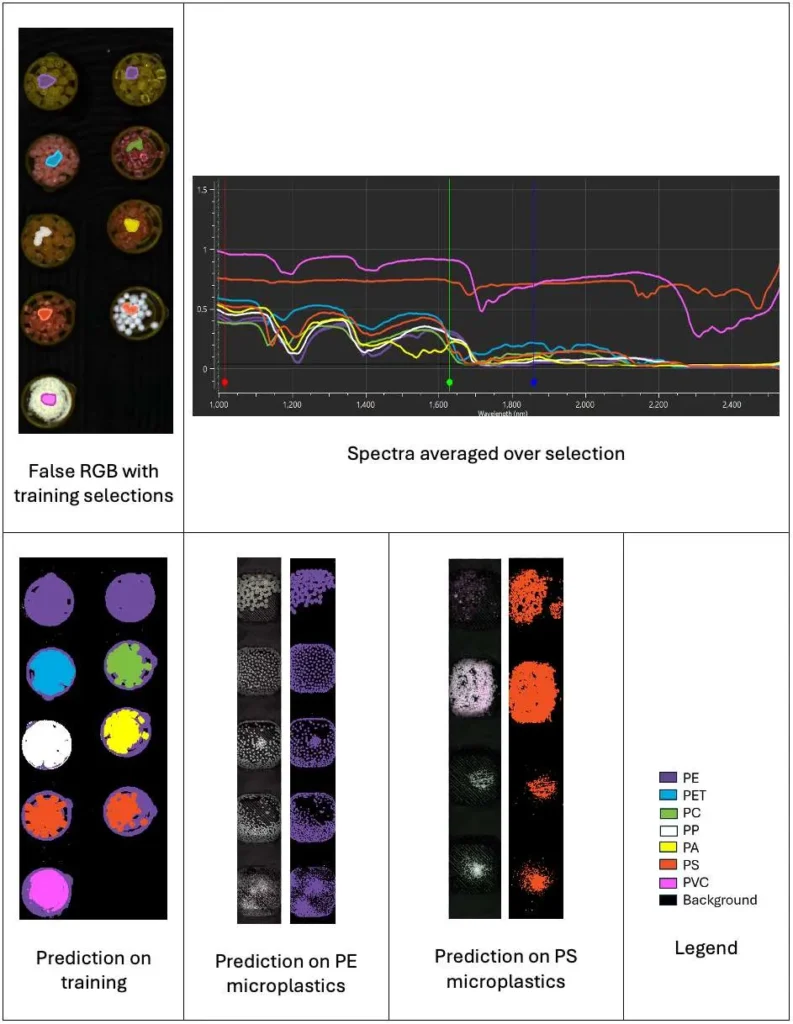
Figure 5a: Modeling results obtained with the extended SWIR system.
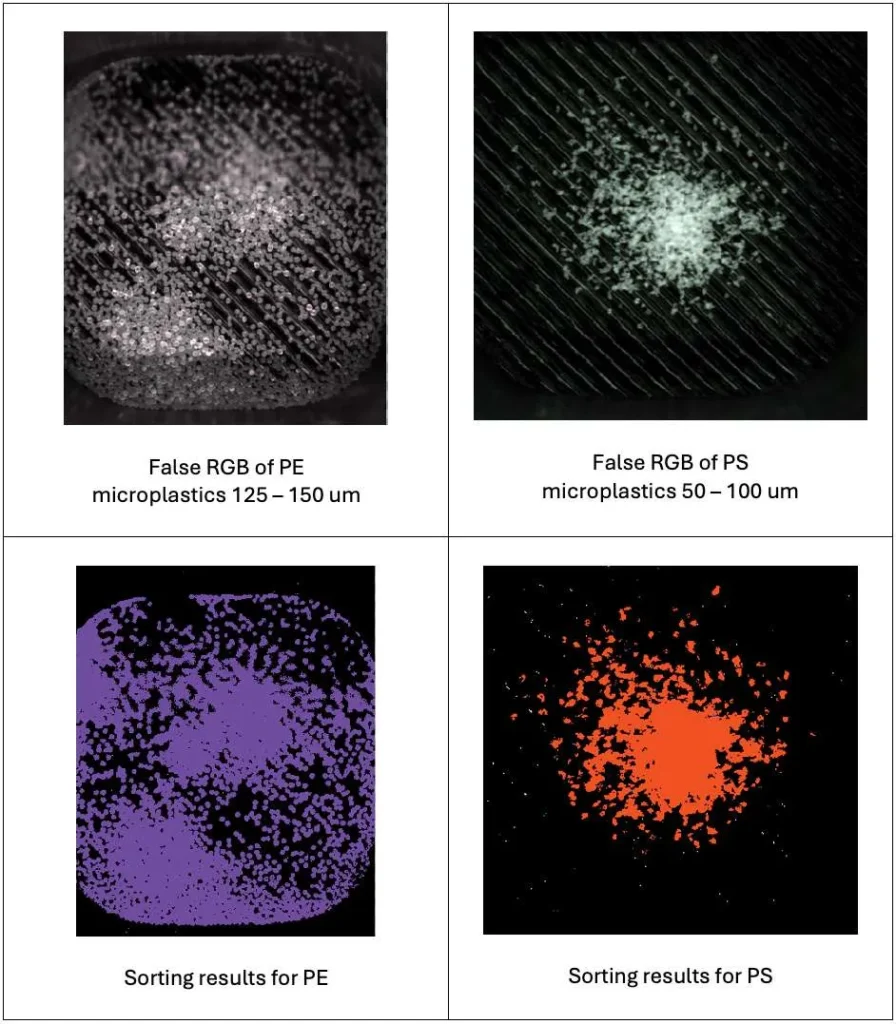
Figure 5b: Detailed view showcasing enhanced sorting accuracy for the smallest microplastic fragments using SWIR.
The additional spectral information captured by the SWIR module significantly enhanced the model’s ability to correctly classify both polyethylene and polystyrene microplastics. The results prove that our unified SWIR architecture provides consistent, reliable identification across the widest range of particle sizes and environmental conditions.
Conclusion
This study demonstrates the power of integrated hyperspectral imaging in tackling complex environmental and industrial sorting challenges. A chemical reference library developed from easily accessible macro materials can be successfully scaled down to automate the detection of microscopic contaminants.
While our standard NIR setup offers a cost-effective and robust solution for baseline screening, the unified SWIR imaging system delivers the high-tier spectral precision required for advanced research and critical quality control where absolute accuracy at a microscopic level is mandatory.