
Bio Energy:
Yield-Driven Analysis
Turn process variability into higher yield by monitoring Brix, purity, and fermentation in the harshest plant environments. Optimize extraction and ensure spec consistency for ethanol and sugar operations. Validated on your site during PoC-90.
Where We Act
Maximize Conversion Efficiency at Every Stage of the Biorefinery
Variable feedstocks and shifting process metrics eat away at your margins. Spectral NA's inline NIR and hyperspectral tracking give you instantaneous visibility to optimize extraction, conversion, and final product quality.
Feedstock Intake & Conversion Potential
Screening incoming raw materials for optimal carbohydrate profiles.

Stop processing blind. Whether your facility runs on grain, sugar crops, or lignocellulosic biomass, our sensors run instant moisture, starch, total soluble solids (TSS), and fiber characterizations at the gate. Grade incoming deliveries dynamically, adjust internal processing parameters based on actual conversion potential, and grade and flag low-yield/high-risk loads before they enter the mill.
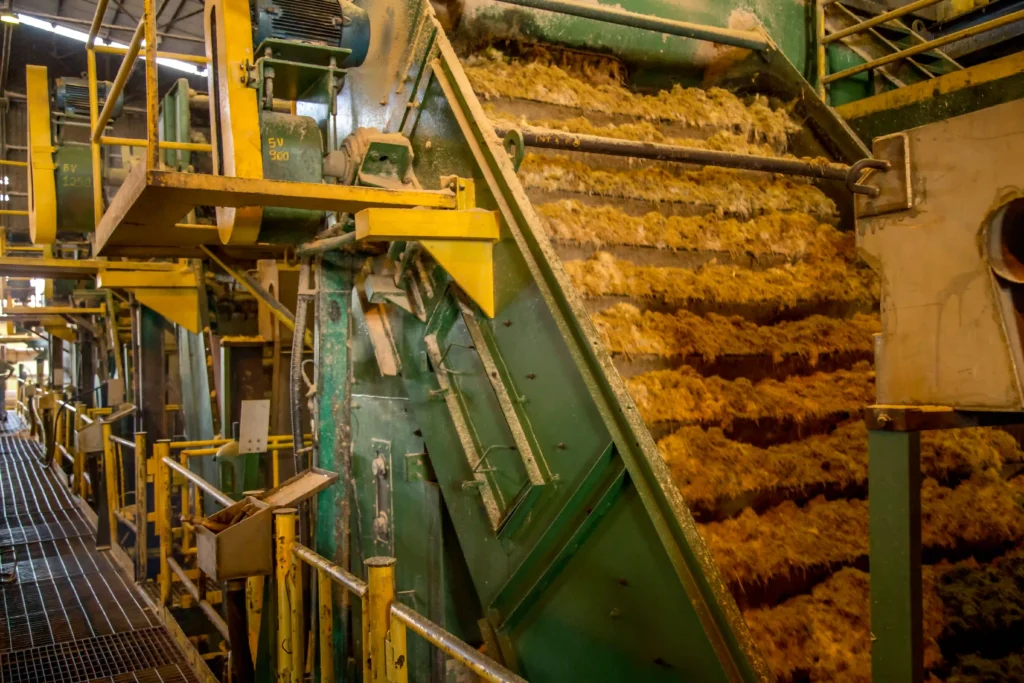
Extraction, Evaporation & Juice Optimization
Real-time Brix, purity, and sucrose recovery
Maximize extraction rates while curbing thermal energy expenditures. By installing inline process sensors directly inside diffuse lines, pipes, and evaporation loops, you can continuously monitor Brix levels, sucrose content, and apparent purity. Make instantaneous adjustments to liquefaction/enzymes (ethanol) or lime/steam (sugar) feeds, preventing sugar loss to waste streams and boosting total recovery.
Real-Time Fermentation Management
Monitoring sugars, ethanol kinetics, and preventing stuck fermentations.
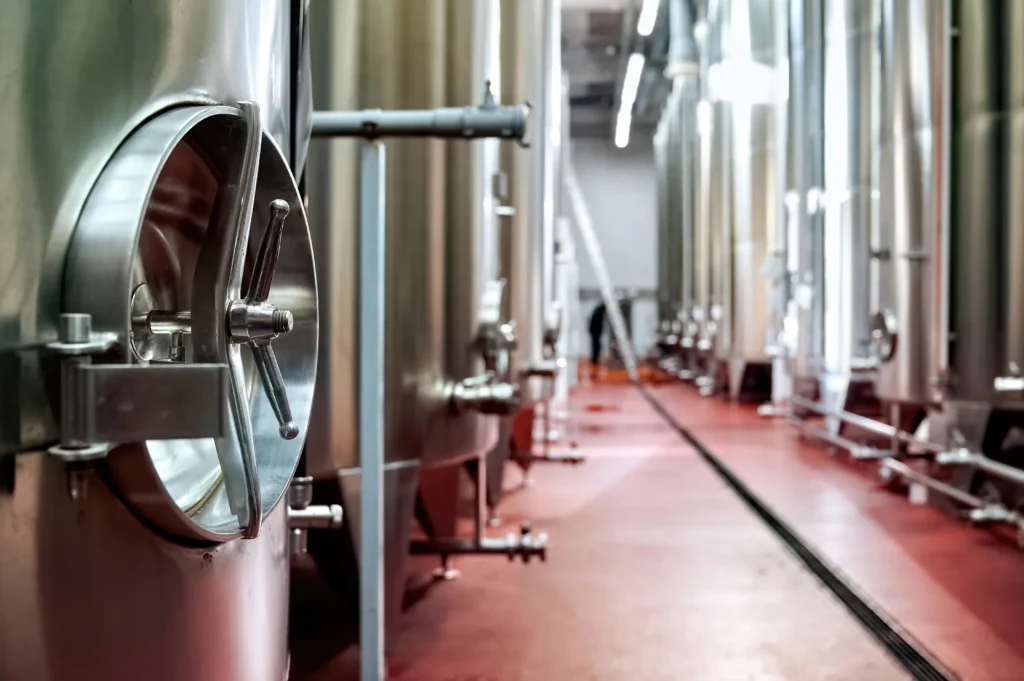
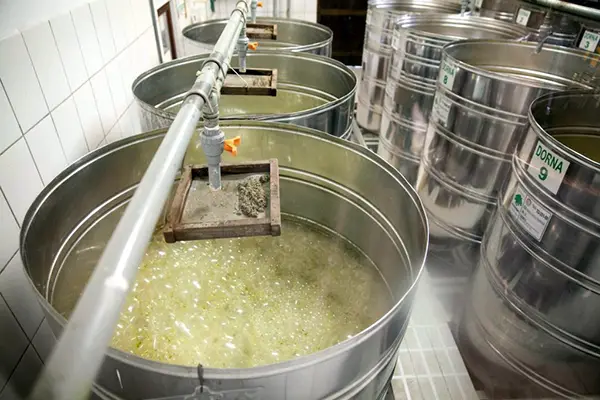
Protect your yeast and secure peak conversion rates. Our non-destructive optical monitoring tracks the critical chemistry of your fermentation vessels in real time—tracking residual sugar proxies, ethanol trends, and acidity risk signals. Detect nutrient deficits or potential bacterial stalls hours before traditional laboratory methods, protecting high-volume batches from catastrophic cooling or dumping incidents
Premium Coproduct Valuation
Guaranteeing specification metrics for DDGS, bagasse, and bio-solids
Turn byproduct streams into predictable revenue. Monitor the moisture, protein, fat, and fiber content of valuable secondary outputs like Distillers Dried Grains with Solubles (DDGS) or biomass bagasse continuously prior to storage and shipping. Prevent high-moisture spoilage liabilities, improve compliance confidence and reduce spoilage risk, and capture premium tier pricing through automated quality validation
How We Integrate
Hardware Built for the Production Floor
From the receiving dock to the final packaging line, our technology fits seamlessly into your existing operations.
Explosion-Proof Inline Process Integration
Built for the hot zone. Our production-line process sensors feature rugged, corrosion-resistant housings with explosion-proof compliance (ATEX/NEC where required) for hazardous environments. Equipped with custom cooling jackets to withstand processing temperatures exceeding 130°F, they mount seamlessly onto high-pressure pipes, tanks, and automated chutes
Heavy-Duty Plant Floor Laboratories
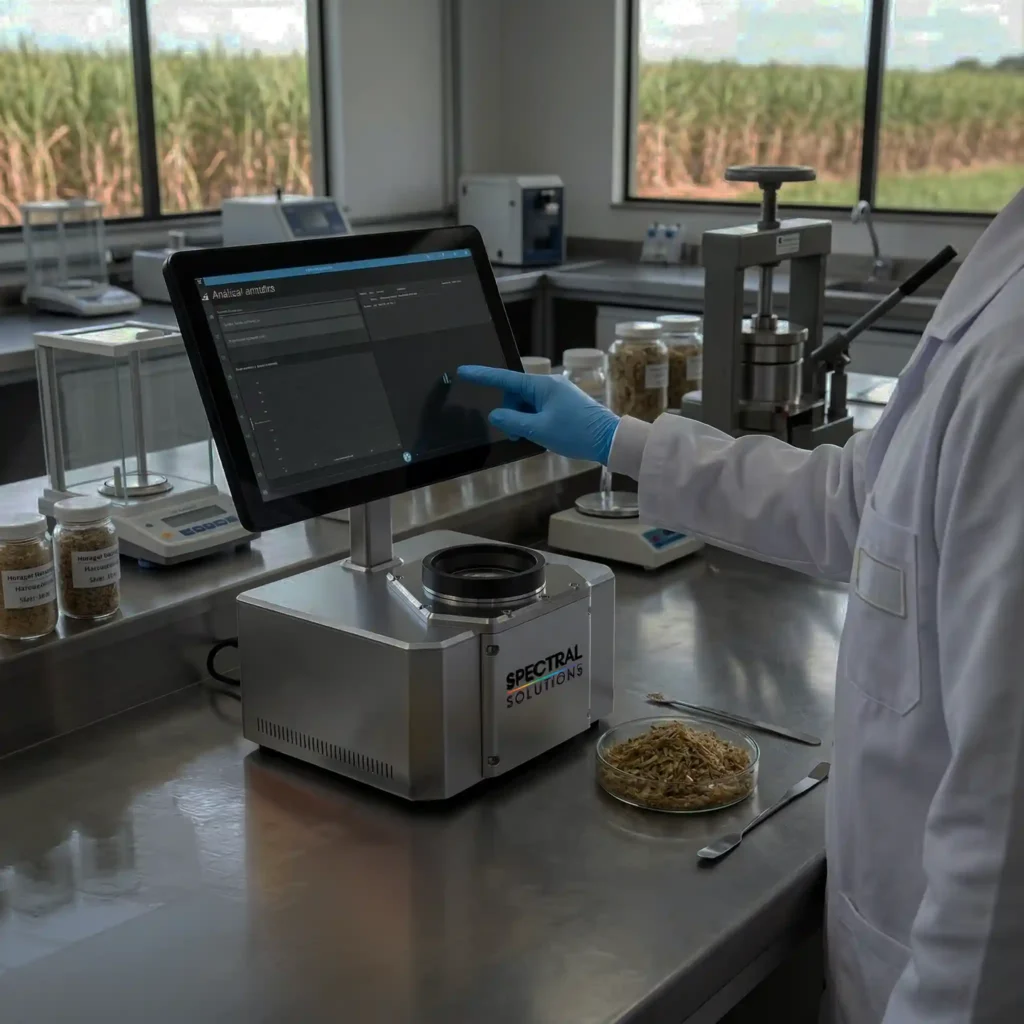
Bridge the gap between operators and remote testing centers. Our benchtop lab systems require no chemical reagents, minimal sample preparation, and deliver full spectrum analyses in under 3 seconds. Placed right next to the operating panels, they empower floor staff to make fast, verified process tweaks with total data confidence
Spectral CLOUD: Biorefinery Automation Connectivity
Transform raw spectral graphs into immediate actionable insights. Our cloud-integrated architecture translates complex molecular data into simple process variables (Brix, Purity, Dry Matter) and allows you to export process variables to SCADA/PLC for alarms or control loops to achieve optimized chemical and thermal adjustments
Why Spectral Solutions?
Why Monolithic Solid-State NIR Dominates the Bioprocess Floor
Traditional laboratory spectrometers quickly fall out of alignment when exposed to heavy industrial vibration. Spectral NA delivers unshakeable uptime
Standard RGB Cameras
- Blinded by plant dust & soot
- Surface-level color analysis only
- Fails completely on internal chemistry
Spectral NIR
- Zero moving parts or mechanical wear
- Explosion-proof ATEX/NEC housings
- Multi-component profiling in 3 seconds
Traditional FTIR
- Fragile moving mirrors drift & misalign
- High maintenance from plant vibration
- Vulnerable to heavy industrial resonance
Total Scan Time
High-Temperature Resistance
Moving Parts
Frequently Asked Questions
Inline NIR sensors installed in diffusion lines, juice piping and evaporation loops read Brix, sucrose and apparent purity continuously, with no sampling. Operators adjust lime, steam and enzyme dosing against a live value instead of a laboratory result that is already 30 to 60 minutes old, which is where sugar otherwise escapes to filter cake and effluent.
Yes. A benchtop NIR system in the mill laboratory measures Brix, purity, sucrose and fiber on the incoming sample in seconds, so cane payment and feedstock routing are decided on the same shift. For grain ethanol the same approach screens incoming corn for starch, moisture and oil. The same calibration runs on a handheld unit at the receiving station or a benchtop in the laboratory.
Optical NIR monitoring tracks residual sugar, ethanol kinetics and acidity risk signals inside the fermenter in real time, showing the yield curve flatten at the start of the problem rather than at the end. That gives hours of warning to correct nutrient dosing or contamination, before the only options left are cooling or dumping a high-volume tank.
NIR measures protein, fat, moisture and fiber in DDGS, bagasse and bio-solids as they are produced, so each load is sold against a documented specification instead of a plant average. A reading takes 5 to 10 seconds per sample. Because coproducts carry a large share of an ethanol plant's margin, hitting the contracted protein minimum without overshooting it is a direct revenue effect.
The area classification decides that, and it is assessed point by point rather than answered for the sensor as a whole. The instrument itself is suited to a process deck: solid-state NIR has no moving parts, so it tolerates the vibration, heat and washdown that put a laboratory instrument out of alignment. Housing and certification for a classified area are specified case by case.
NIR is a secondary method calibrated against your reference procedure, so it reproduces that method within a defined standard error of prediction rather than matching it exactly. The number for your material is established by running the two side by side during a structured proof of concept. Its advantage is not higher accuracy on one sample — it is a reading on every batch instead of a few per shift.
Payback is normally calculated on recovered yield rather than on labor saved. A fraction of a percentage point of sugar recovered from the process, or a single fermentation batch saved, is usually the largest term in that calculation. The figure depends on throughput, so it is built on the plant's own volumes during a structured proof of concept rather than quoted as a generic number.
No, and it is not specified to. The laboratory remains the reference the NIR models are calibrated and monitored against, and it handles the analyses NIR cannot perform. What changes is the workload: routine composition checks move to the sensor, and laboratory time shifts to reference work, troubleshooting and the analyses that genuinely require it.


